Intermapper helps financial institutions keep critical digital services available by mapping distributed networks in real time, monitoring servers and IP-enabled infrastructure, and alerting IT teams before slowdowns, bottlenecks, or failures disrupt customers, employees, or revenue-generating operations.
- Monitor banking, trading, insurance, and financial services infrastructure from live, visual maps.
- Track routers, switches, servers, applications, links, branch devices, and other IP-enabled systems.
- Receive proactive alerts when devices fail, bandwidth spikes, or performance thresholds are crossed.
- Support uptime, compliance documentation, capacity planning, and faster troubleshooting across complex environments.
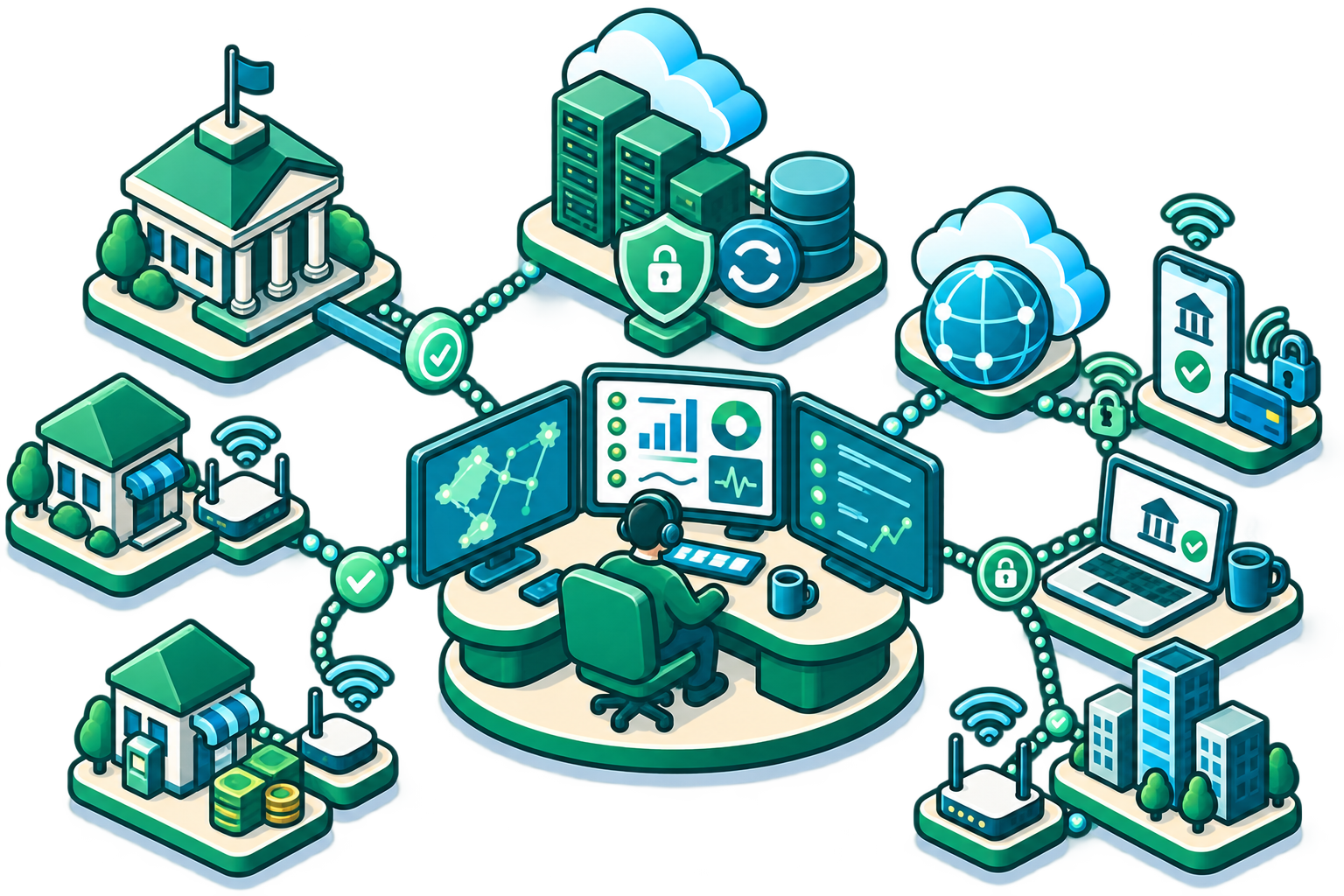
Why Do Financial Institutions Need Network and Server Visibility?
Financial institutions operate in a high-trust, high-availability environment. Digital banking, branch operations, trading systems, payment services, customer portals, back-office applications, and risk systems all depend on healthy networks and servers.
For banks, credit unions, insurance companies, trading firms, and fintech teams, outages are not just technical incidents. They can affect customer confidence, compliance posture, employee productivity, and competitive advantage. Intermapper gives IT teams a real-time view into network health so they can act before small problems become costly interruptions.
Digital services must stay available
Downtime damages trust quickly
Branch, cloud, and data center environments are distributed
Capacity planning is business-critical
Compliance and audit expectations require documentation
Security teams need operational context
Intermapper's Key Capabilities for Network and Server Monitoring in Finance
Monitor Branch and Headquarters Connectivity
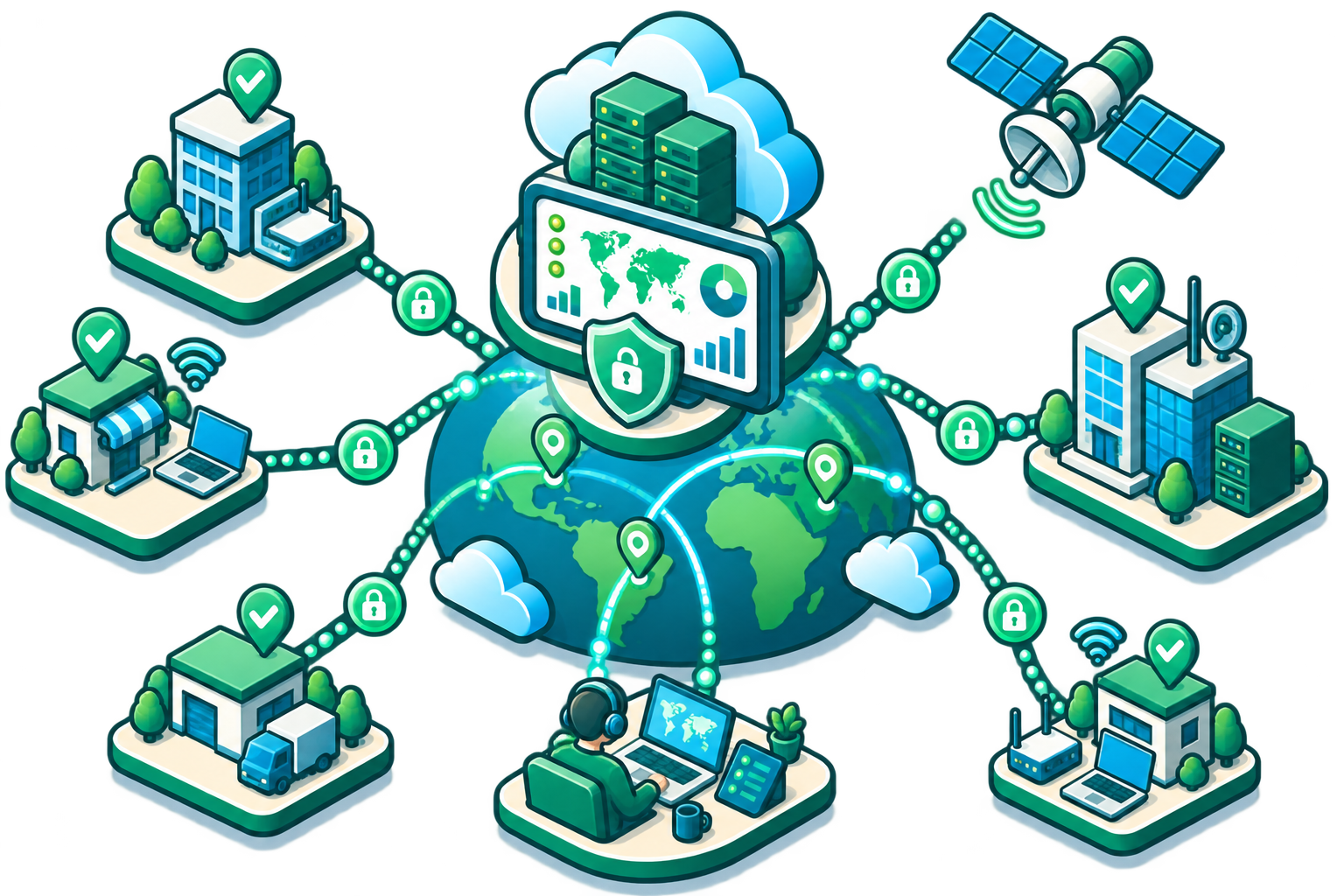
Give IT teams a live, mapped view of routers, switches, firewalls, WAN links, VPN devices, and servers that support branches, operations centers, and headquarters through network monitoring.
Protect Digital Banking and Customer-Facing Services
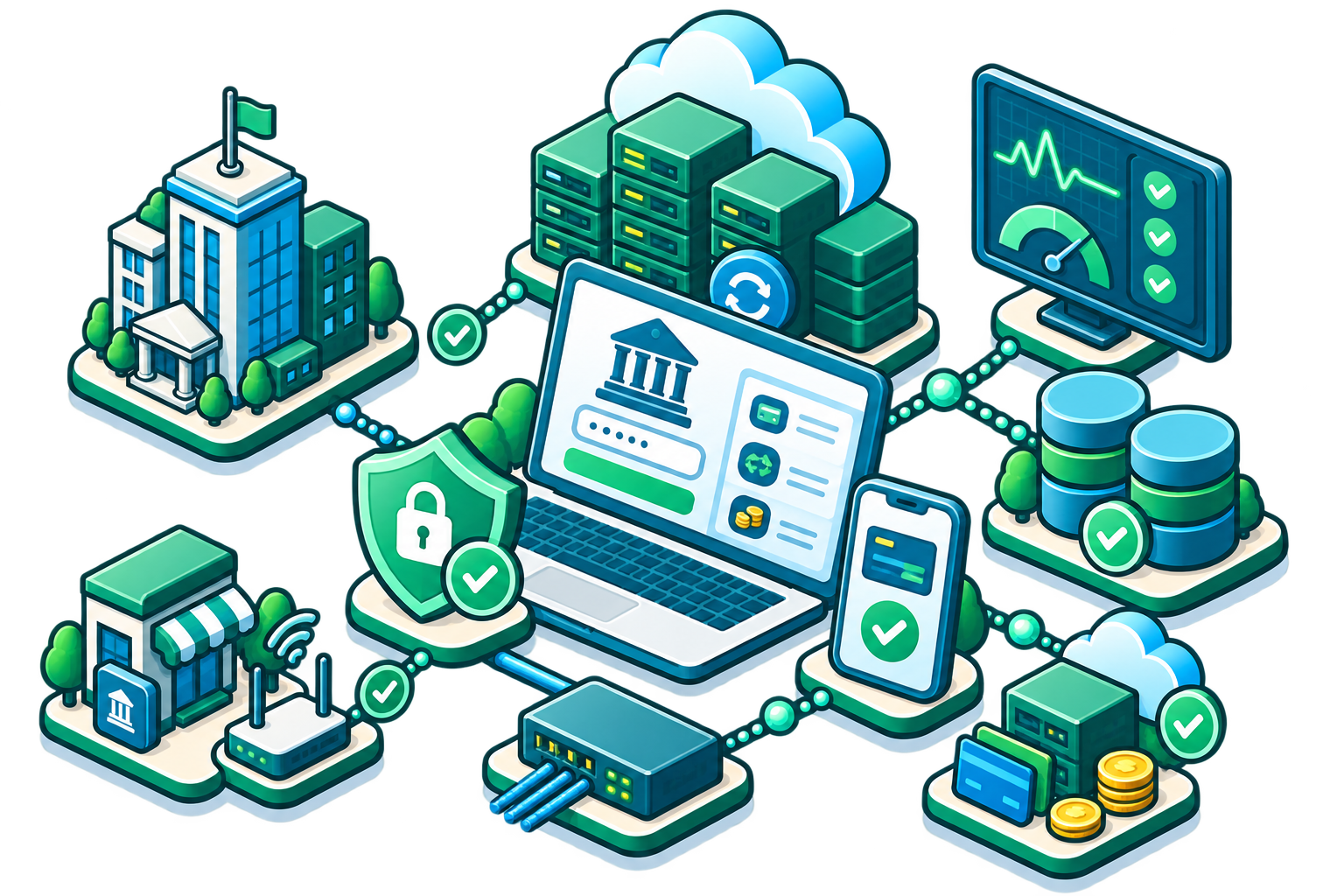
Monitor the servers, applications, network paths, and supporting systems that keep online and mobile banking experiences responsive.
Support Trading and High-Availability Operations
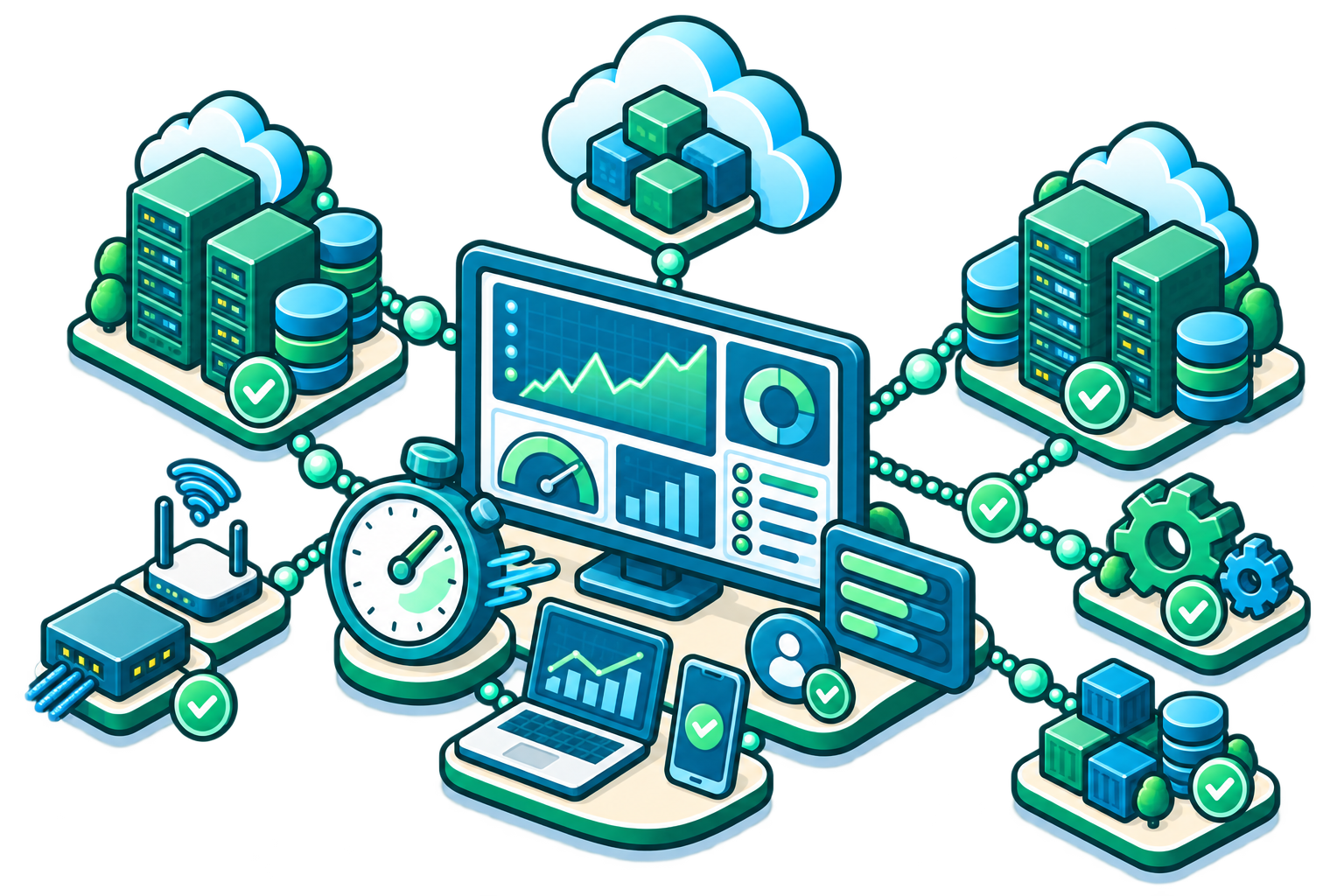
Use live maps, fast polling, and alerts to spot latency-sensitive infrastructure issues before they affect high-priority financial workflows.
Plan Capacity for Growth and Peak Demand
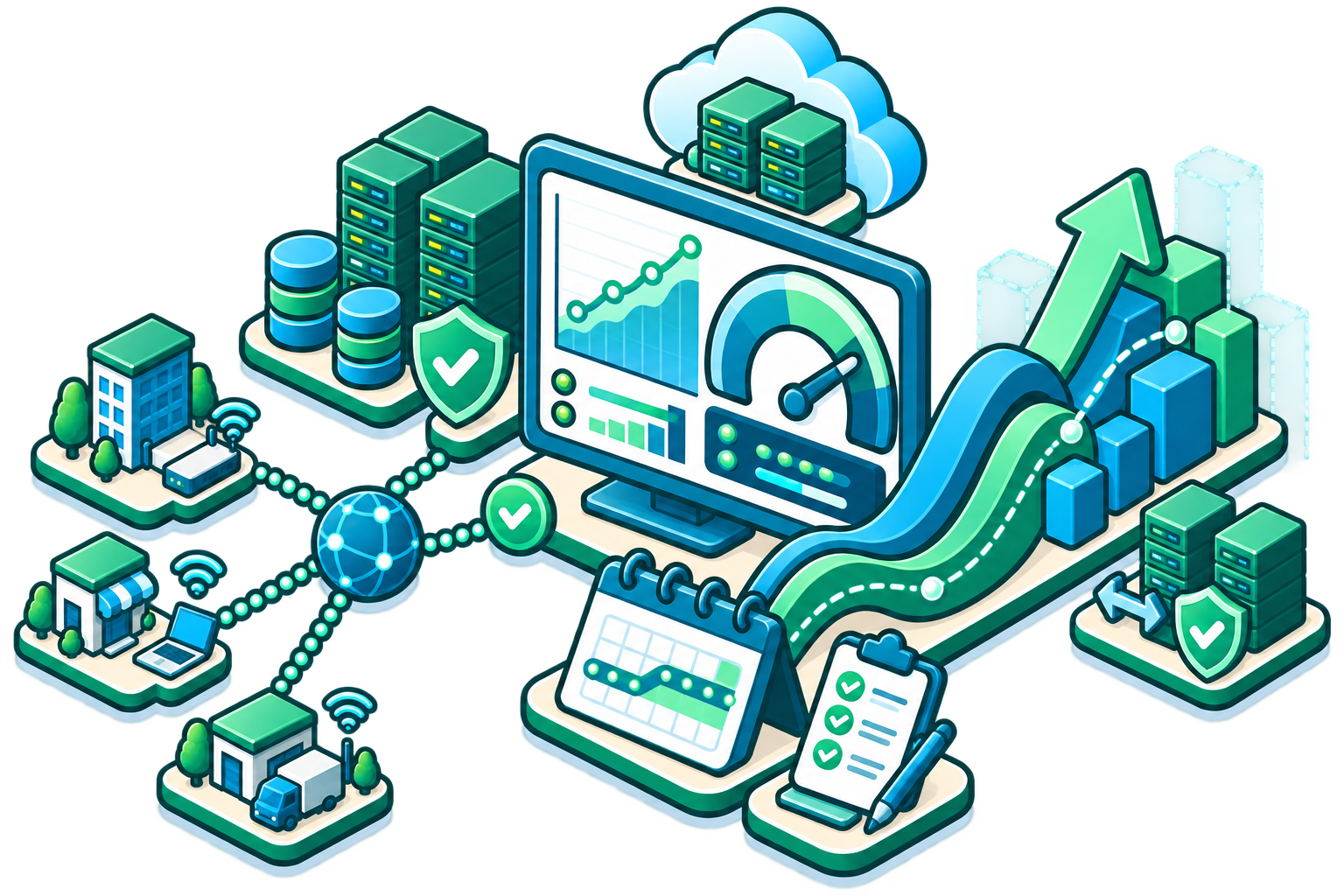
Use historical performance data to understand traffic patterns, prepare for spikes, and support decisions about bandwidth, server, or cloud investments.
Document Network Assets for Governance and Compliance
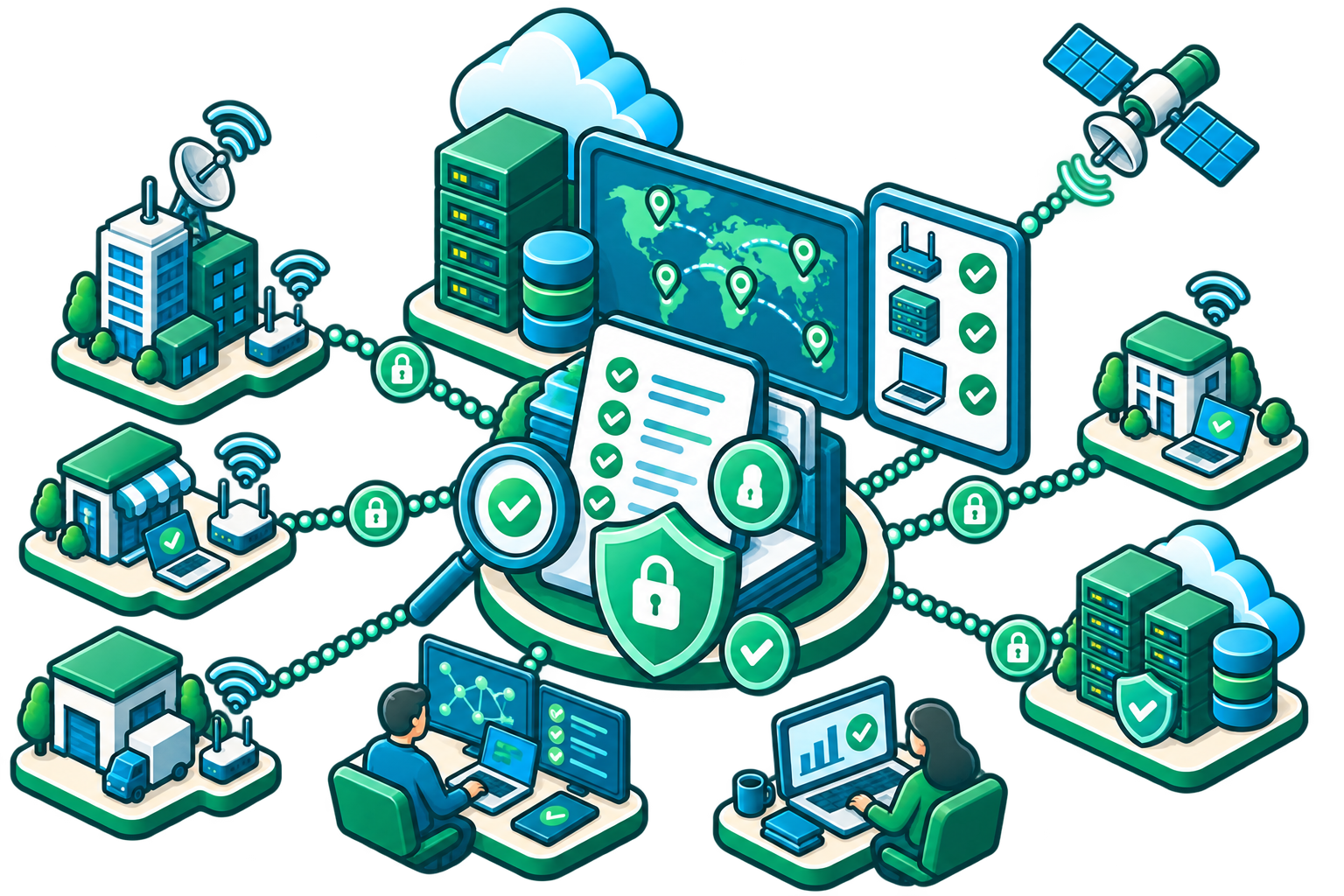
Use maps and reporting to support infrastructure documentation, monitoring procedures, and audit readiness.
How Intermapper Solves Financial Network and Server Monitoring Challenges
| Challenge | How Intermapper Helps | Result |
|---|---|---|
|
Limited visibility across branches, data centers, and cloud-connected systems
|
Live maps display device and connection status across distributed financial infrastructure.
|
IT can identify affected locations, systems, or links faster.
|
|
Customer-impacting outages are discovered too late
|
Alerts notify teams when performance or availability changes.
|
Teams can respond before customers or business units escalate.
|
|
Manual network diagrams fall behind
|
Automatic discovery helps document IP-enabled devices and update network maps.
|
Less manual inventory work and fewer infrastructure blind spots.
|
|
Traffic spikes create performance risk
|
Historical data, graphs, and reports support bandwidth and capacity planning.
|
Better planning for digital banking growth and peak-demand events.
|
|
Audits require proof of monitoring and asset awareness
|
Maps, reports, and device history help show monitoring coverage and infrastructure status.
|
Stronger documentation for compliance and risk conversations.
|
|
Specialized systems are difficult to monitor
|
Customizable probes help monitor the metrics that matter for unique financial environments.
|
Broader visibility beyond standard switches and servers.
|
Trusted by Financial IT Teams Managing Complex Networks



Financial Institution Network and Server Monitoring FAQs
Protect Financial Services Uptime with Network and Server Monitoring from Intermapper
See What's Happening. Understand Why. Plan What's Next.