Intermapper helps healthcare IT teams keep patient-care technology, clinical applications, servers, and IP-enabled medical and facility systems visible and available with live network maps, continuous monitoring, and proactive alerts.
- Monitor hospitals, clinics, medical device environments, pharmaceutical sites, and distributed healthcare networks.
- Track routers, switches, servers, applications, IoMT devices, environmental sensors, and other IP-enabled systems.
- Receive alerts when critical equipment, response times, temperatures, or performance thresholds require attention.
- Support uptime, patient data workflows, SLA commitments, HIPAA-related documentation, and faster troubleshooting.
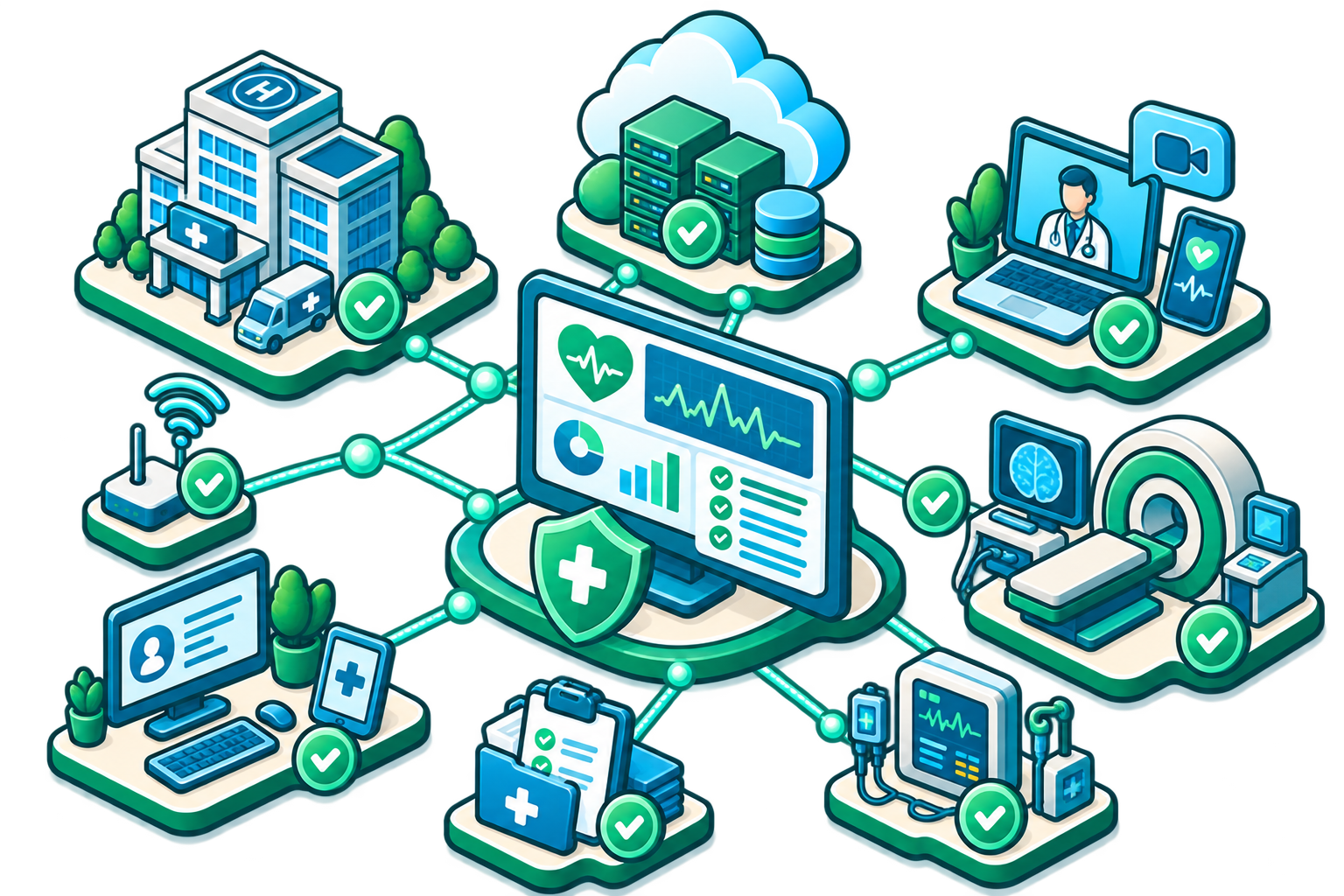
Why Does Network Monitoring Matter in Healthcare?
Healthcare environments depend on connected technology for patient intake, clinical workflows, insurance and billing records, imaging, telemedicine, facility systems, and medical devices. As the Internet of Medical Things expands, the network reaches far beyond traditional IT closets and data centers.
Intermapper helps healthcare teams see the full picture of network health, monitor critical devices and servers, and alert administrators before slowdowns or outages affect care teams, patients, or business operations.
Patient care depends on connected systems
IoMT adds complexity
Environmental factors can cause equipment loss
SLAs and expectations are high
Performance issues can affect time-sensitive care
Compliance needs visibility and documentation
Intermapper’s Key Capabilities for Network and Server Monitoring in Healthcare
Monitor Clinical Application Availability
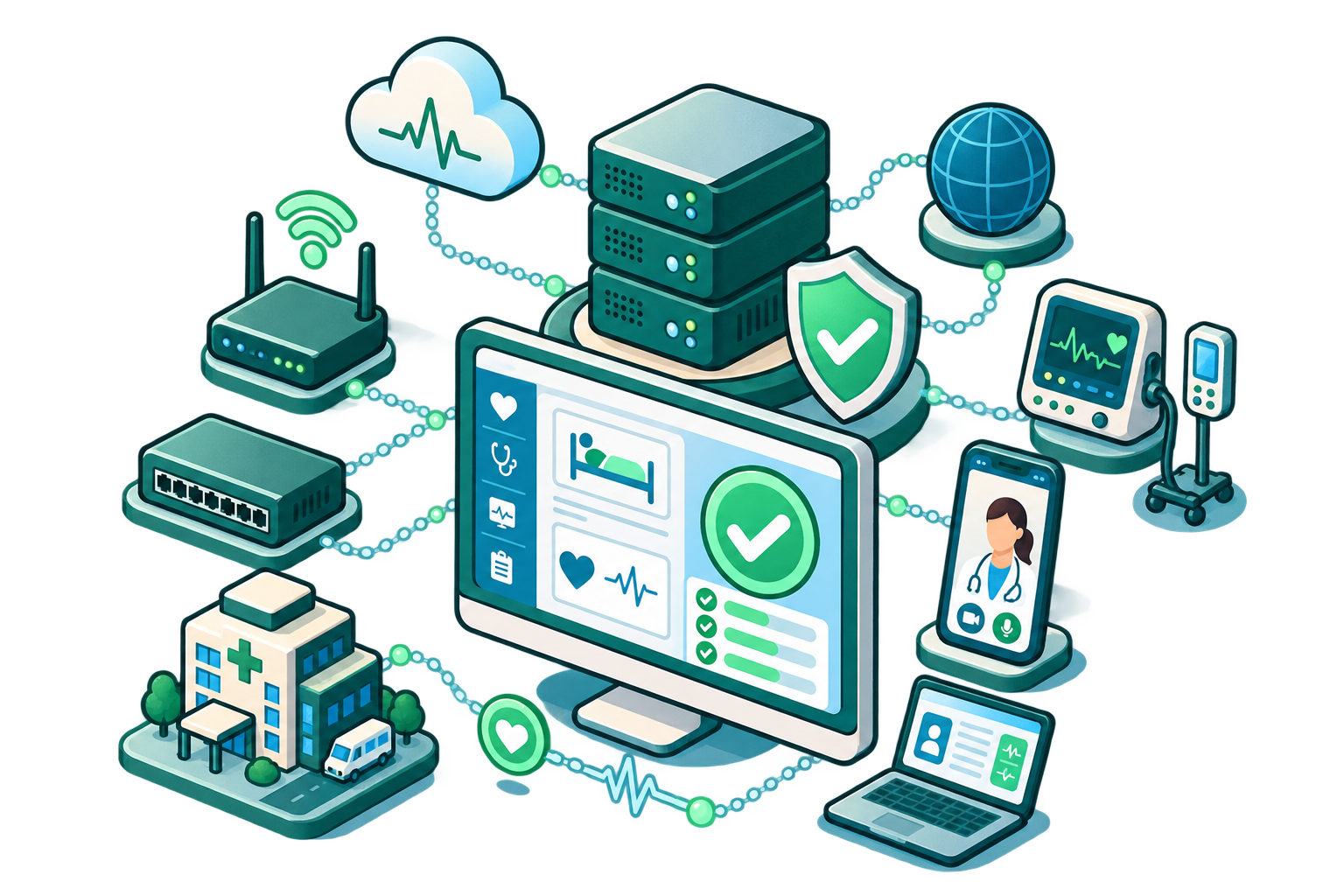
Monitor servers and applications that support EHR access, patient intake, insurance, billing, scheduling, portals, and other critical healthcare workflows.
Monitor IoMT and Connected Medical Systems
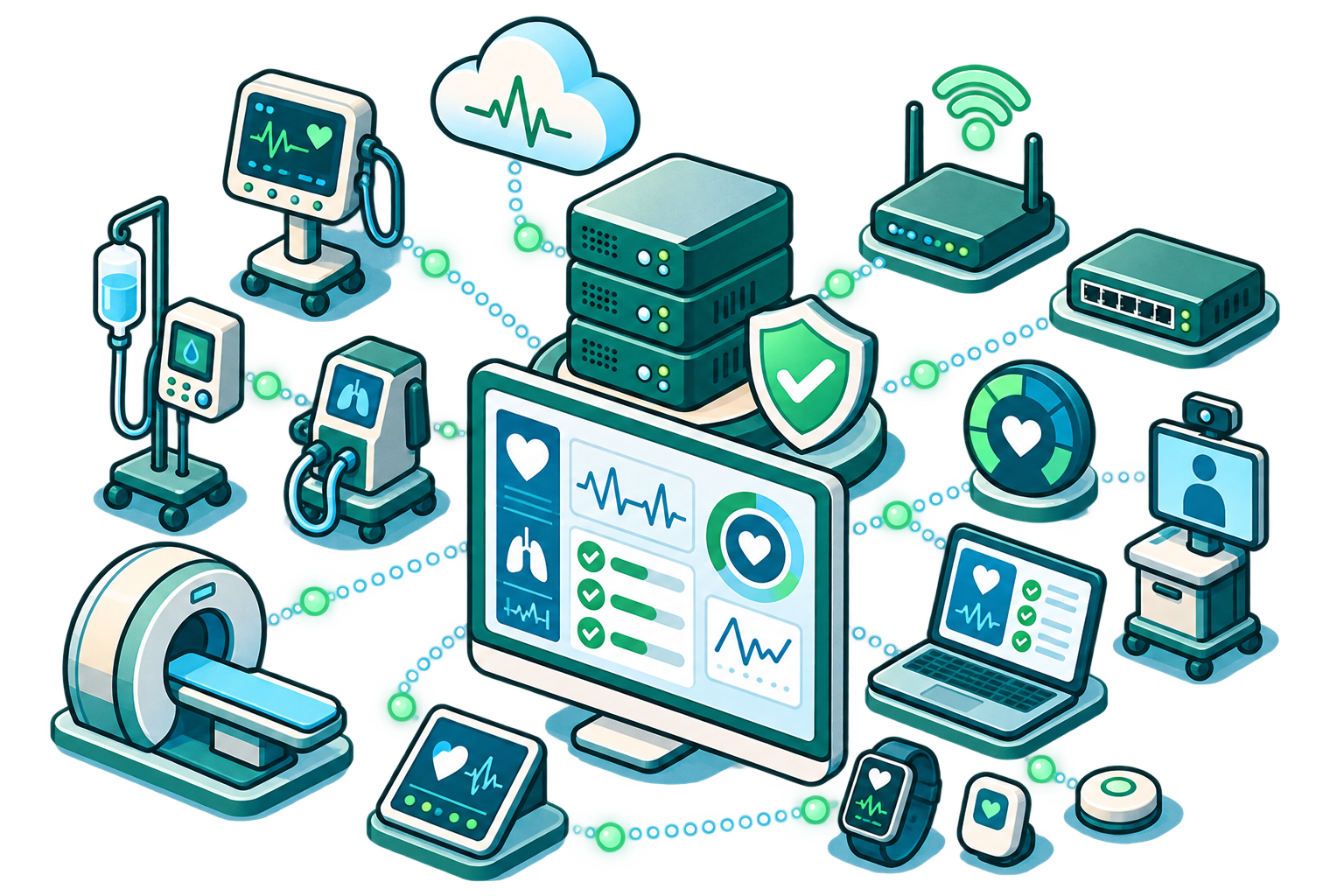
Gain visibility into IP-enabled medical monitoring devices, diagnostics, telemedicine equipment, imaging systems, and other connected devices where network metrics are available.
Protect Server Rooms and Facility Infrastructure
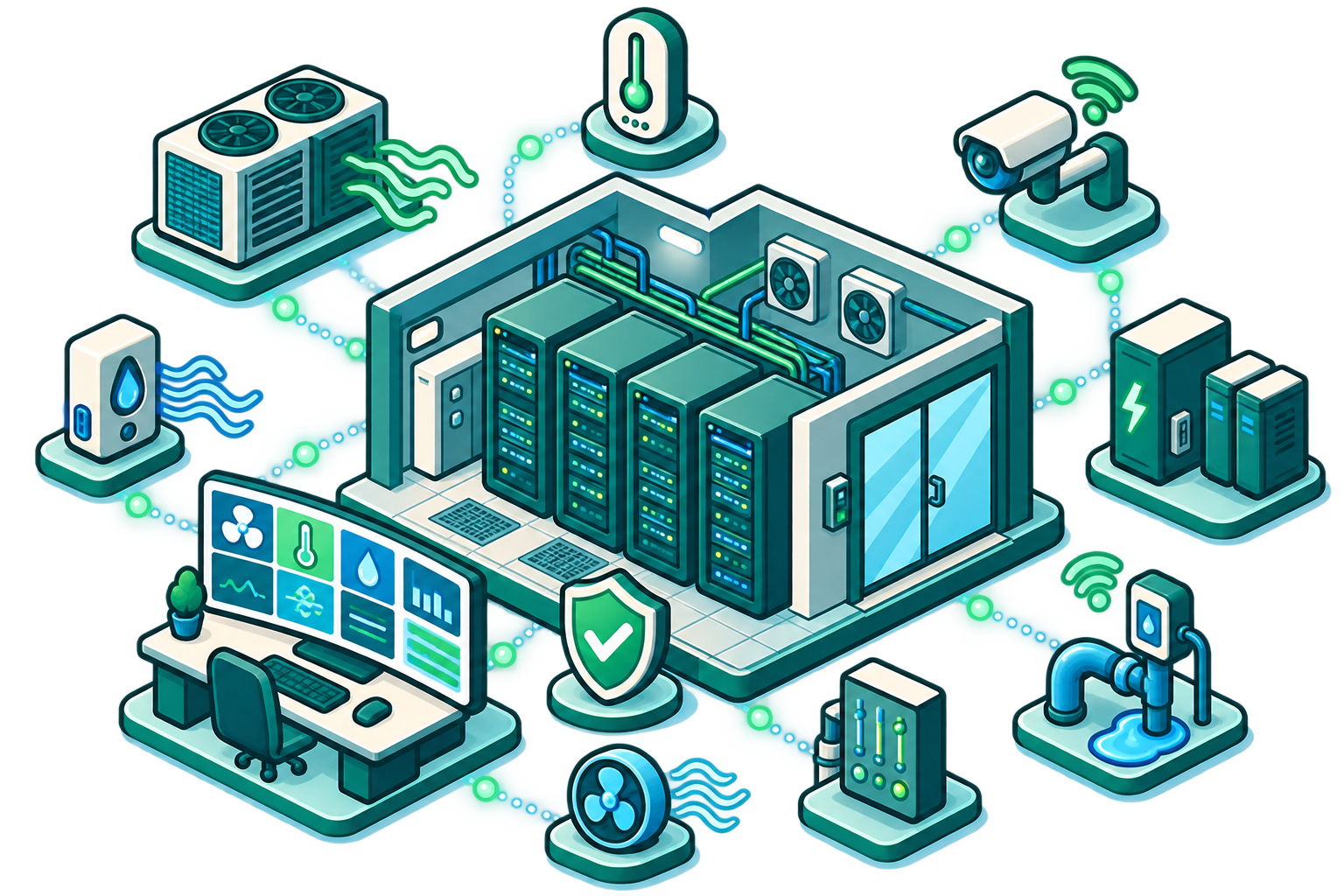
Use network probes and thresholds to monitor temperature, power, UPS devices, and environmental conditions that could affect equipment health.
Support Telemedicine and Remote Care
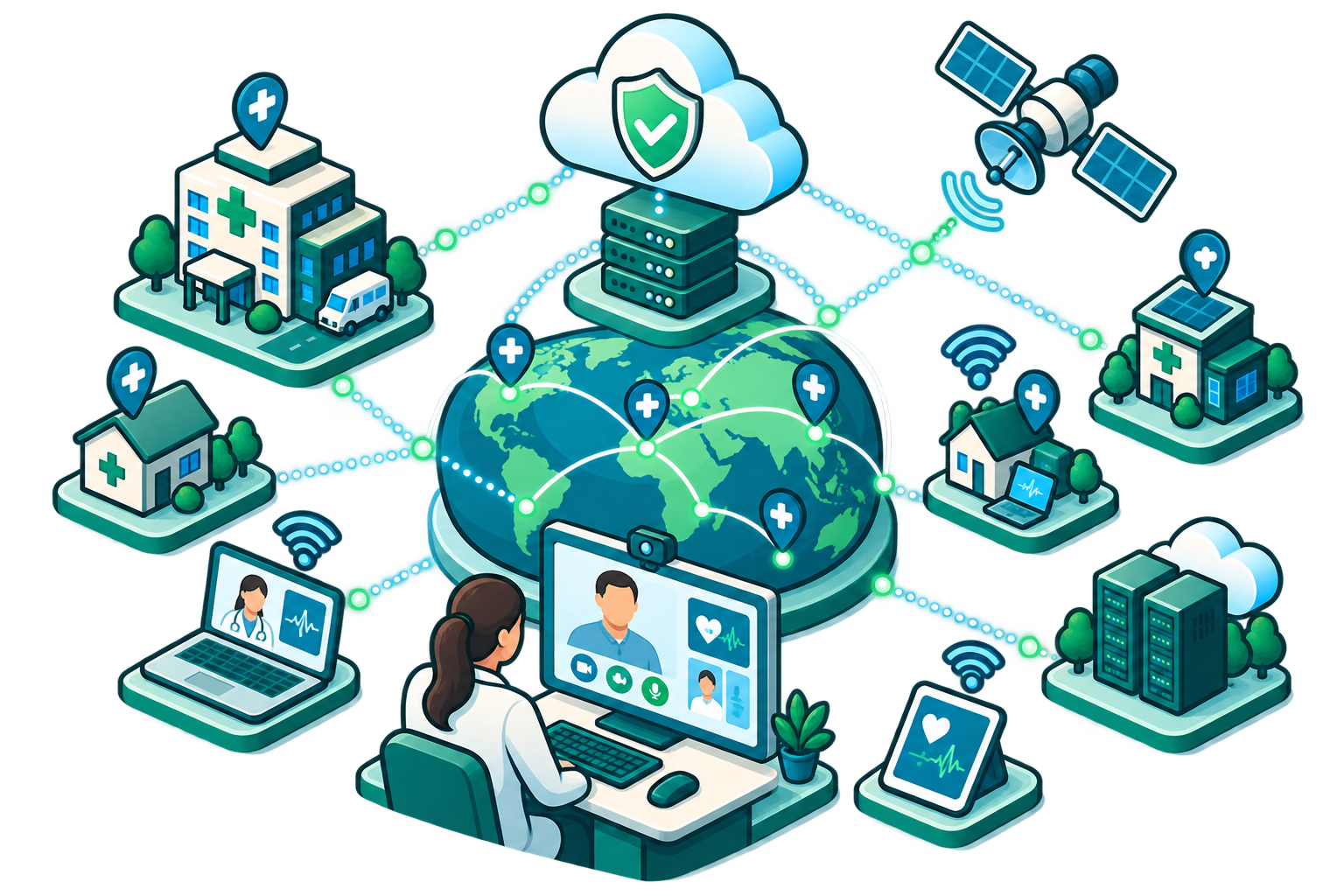
Monitor network paths, bandwidth, response times, and supporting devices that keep virtual care and remote patient communication available.
Troubleshoot Before Care Teams Are Disrupted
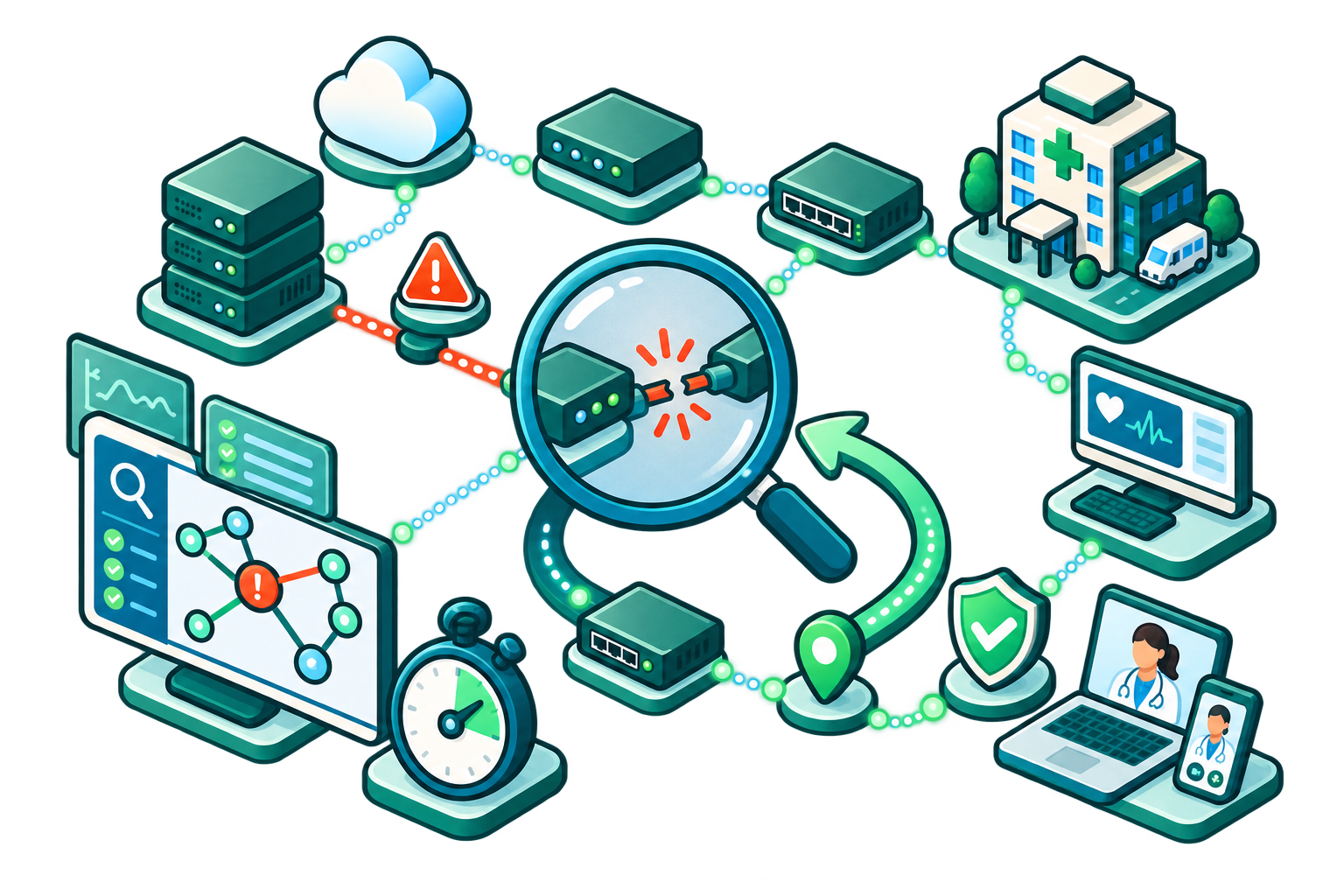
Use live maps, alerts, and performance history to isolate the source of slowdowns, failed devices, or degraded services quickly.
How Intermapper Solves Healthcare Network Monitoring Challenges
| Challenge | How Intermapper Helps | Results |
|---|---|---|
|
Limited visibility across clinical, IT, and facility systems
|
Live maps show device, server, and connection status across healthcare environments.
|
IT can see the full picture instead of troubleshooting blind.
|
|
IoMT devices increase monitoring scope
|
Intermapper can auto-discover and monitor IP-enabled devices, including specialized systems where metrics are available.
|
More complete visibility across traditional IT and connected healthcare equipment.
|
|
Critical systems fail without early warning
|
Alerts notify administrators when response time, device state, or thresholds indicate a problem.
|
Faster response before slowdowns or outages affect care operations.
|
|
Server rooms and equipment need environmental monitoring
|
Custom probes can monitor temperature and other environmental factors.
|
Reduced risk of equipment loss due to overheating or facilities issues.
|
|
Bandwidth affects medical data movement
|
Performance history and traffic visibility help teams understand usage and strain.
|
Better planning for telemedicine, imaging, and data-intensive workflows.
|
|
HIPAA and governance require documentation
|
Maps, reports, and historical data support monitoring documentation and audit readiness.
|
Stronger operational evidence for compliance-related conversations.
|
Trusted by Healthcare IT Teams Managing Complex Networks

Healthcare Organization Network and Server Monitoring FAQs
Keep Healthcare Networks and Patients Healthier with Network and Server Monitoring from Intermapper
See What's Happening. Understand Why. Plan What's Next.