Capacity problems are easier to prevent than to repair during an outage. Intermapper helps IT teams collect performance data, review trends, and plan for bandwidth, server, and infrastructure needs before constraints disrupt users, customers, or services.
- Track utilization trends across devices, interfaces, servers, and services.
- Use historical data and reports to identify capacity risks.
- Plan for peak demand, growth, seasonal spikes, migrations, and new workloads.
- Support budget conversations with performance evidence.
- Connect operational monitoring with broader capacity planning resources.
How to Predict Capacity Needs with Intermapper
Demand rarely grows in a perfectly predictable way. New applications, peak seasons, cloud migrations, customer growth, and remote sites can all change resource needs faster than teams expect.
Without historical monitoring data, IT teams are forced to guess whether existing infrastructure can support the next workload, traffic spike, or service requirement. Intermapper helps turn current and historical performance visibility into practical capacity planning evidence.
Collect Historical Data
Separate Normal and Peak Behavior
Find Constraints and Waste
Model or Plan Changes
Build the Business Case
Monitor After Changes
Intermapper’s Capacity Management Capabilities
Plan Bandwidth Upgrades
Use utilization and traffic trends to decide when bandwidth should be increased, redistributed, or controlled.
Prepare for Peak Demand
Review historical performance data before seasonal events, launches, migrations, or high-volume business periods.
Right Size Server Resources
Monitor devices: physical, virtual, and cloud-connected systems to identify resource pressure or underused capacity.
Support Infrastructure Budgeting
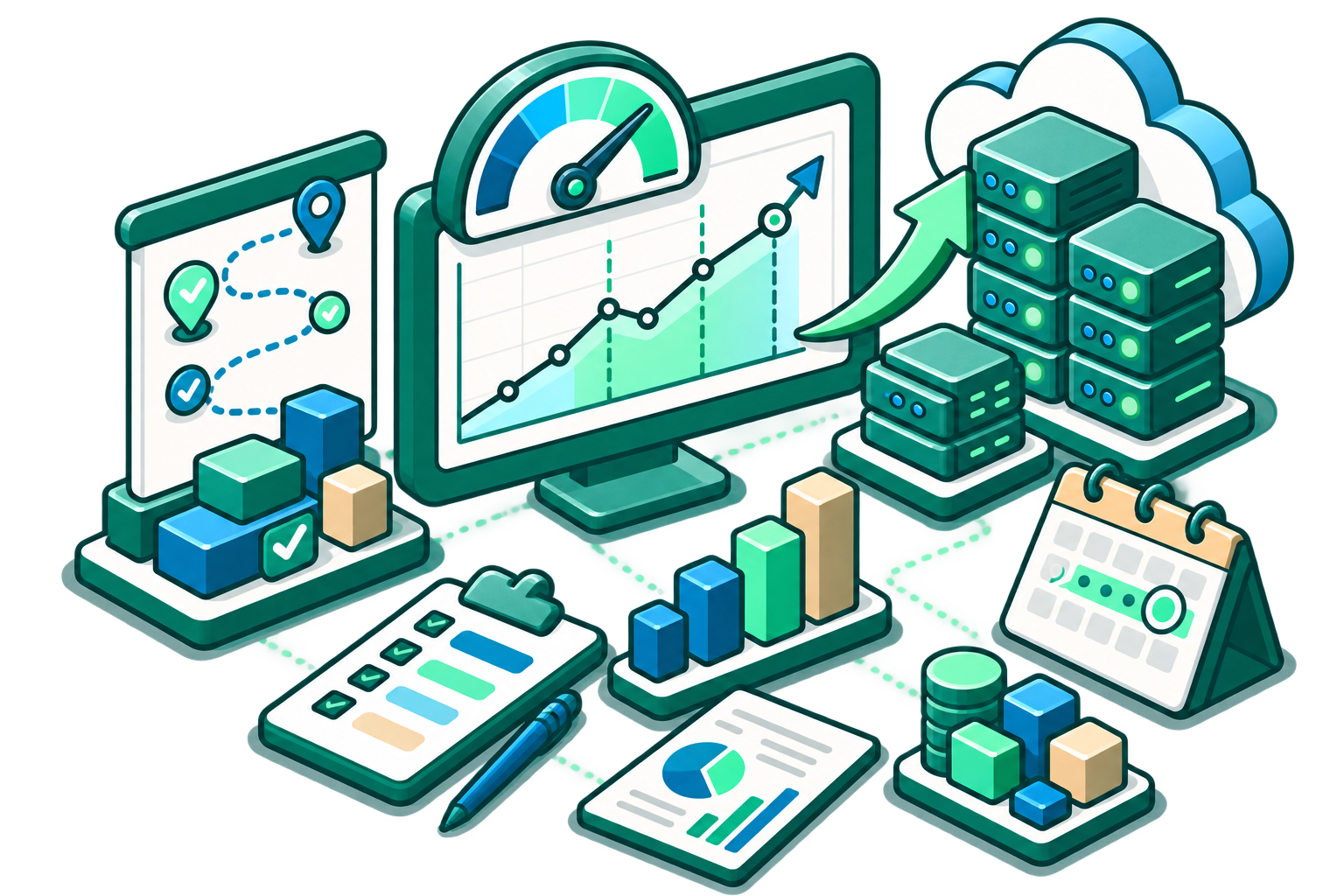
Use trend and performance reports and capacity evidence to justify upgrades, renewals, or new investments.
Reduce Over-Provisioning
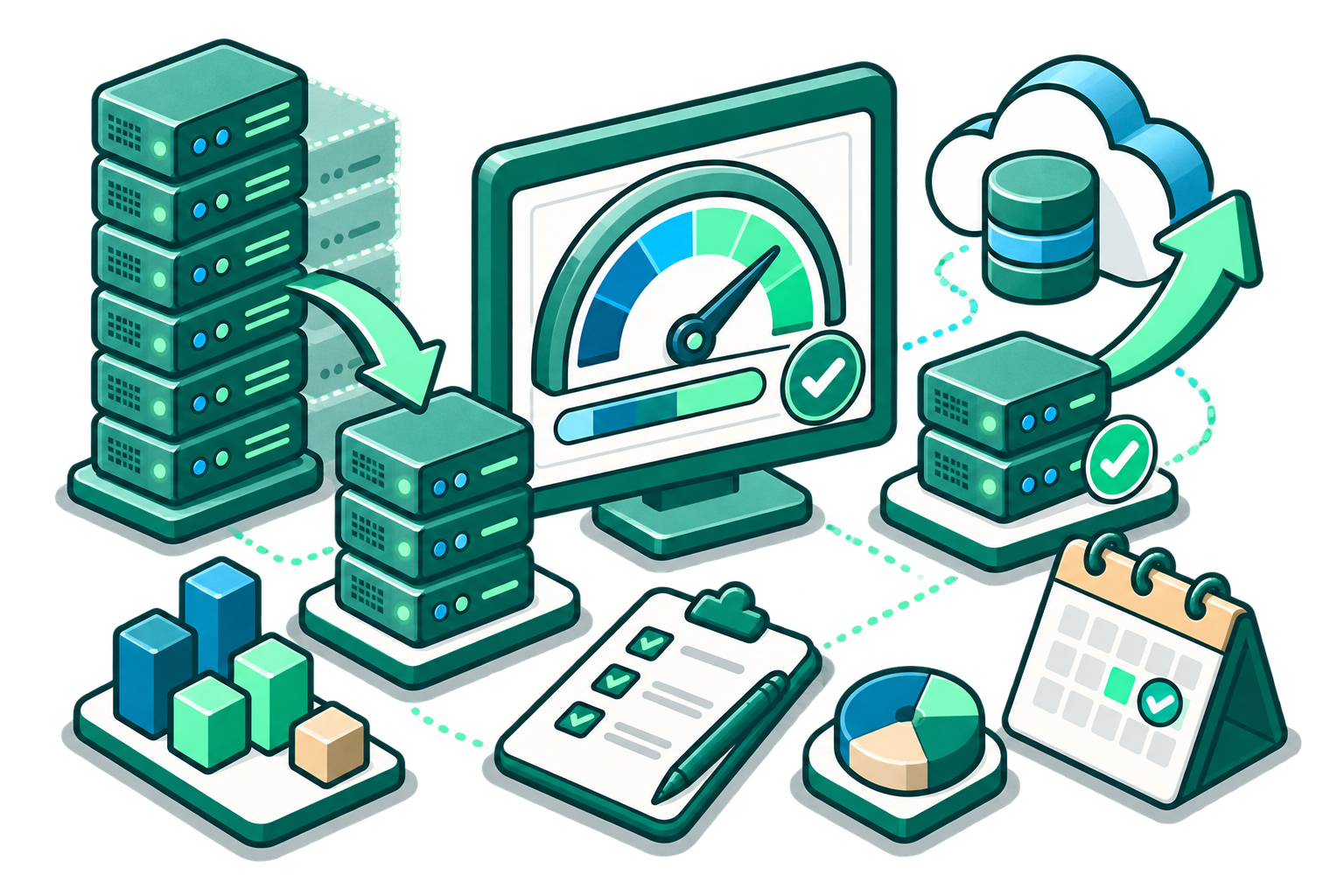
Use real usage patterns to avoid paying for resources that are not supporting meaningful workloads.
How Intermapper Solves Capacity Challenges
| Challenge | How Intermapper Helps | Result |
|---|---|---|
|
Teams do not know current utilization
|
Monitor devices, interfaces, servers, and applications continuously.
|
IT understands current health and resource usage.
|
|
Growth patterns are unclear
|
Historical data and trend graphs reveal performance and utilization over time.
|
Teams can identify capacity trends before limits are reached.
|
|
Peak demand is risky
|
Reports show minimum, maximum, average, and peak patterns for critical systems.
|
IT can prepare for seasonal spikes, launches, and high-demand periods.
|
|
Bandwidth upgrades need justification
|
Utilization and traffic data show when links are constrained or underused.
|
Teams can support bandwidth decisions with evidence.
|
|
Server resources may be over or under allocated
|
Server and service monitoring helps show resource pressure or underutilization.
|
Teams can right size infrastructure more effectively.
|
|
Enterprise forecasting requires deeper analytics
|
Capacity management capabilities add predictive analysis, what-if modeling, and broader capacity planning resources.
|
Organizations can mature from monitoring trends to formal capacity management.
|
Network and Server Capacity Planning FAQs
Plan Capacity with Intermapper Before Performance Suffers
See What's Happening. Understand Why. Plan What's Next.